
Self care for men: what it means and why men avoid it.
Men can often struggle with recognising when they’re own energy levels are depleting, leading to burn-out. Because of this, it’s important to find a way for prevention, rather than cure. Self-care and some R&R can have many benefits including looking younger and healthier, but the benefits can reach much further. Yes, we’re talking about the benefits to your mental health.
There’s never a bad time to begin with your self-care. If you only practice self-care when you’re feeling burnt out or a bit low, it probably means that you’re not taking care of yourself enough to avoid those situations. Daily self-care practice helps prevent burnout, aids in fighting against depressive symptoms, and positively impact your everyday life.
The term “self-care” has become ubiquitous with female-centric marketing from companies who want to sell their beauty, health and wellness products. It’s become synonymous with the idea of indulgence and treating yourself. And it’s catching on with men as well. While there are plenty of men’s lotions, fancy hair gels and skin-nourishing shaving cream and aftershave, this type of self-care, though important, isn’t what I’m talking about.
We are not even talking about just exercise, which is a legitimate form of self-care that we think everyone should practice.
What we are referring to is the kind of self-care that goes beyond the physical, the kind that allows you to reduce stress and anxiety, and reconnect with yourself and the world around you – spiritually, mentally, and emotionally. It’s also about challenging yourself.
Despite what we may have been told, self-care is vital for everyone. Everybody deserves to live a happy, healthy life, which makes this practice gender-neutral. The only difference is that self-care has traditionally been associated with and marketed to women. That’s it.
The thing is, we know this. And if it were that simple to break the association, we’d all be doing it.
For many men, self-care feels like a term that wasn’t made with them in mind. It can sound soft, unnecessary, or even self-indulgent. So it gets ignored, until pain, stress, or burnout force attention.
But real self-care isn’t about pampering. It’s about maintenance.
And that’s something every man understands.
What Self-Care Actually Means for Men
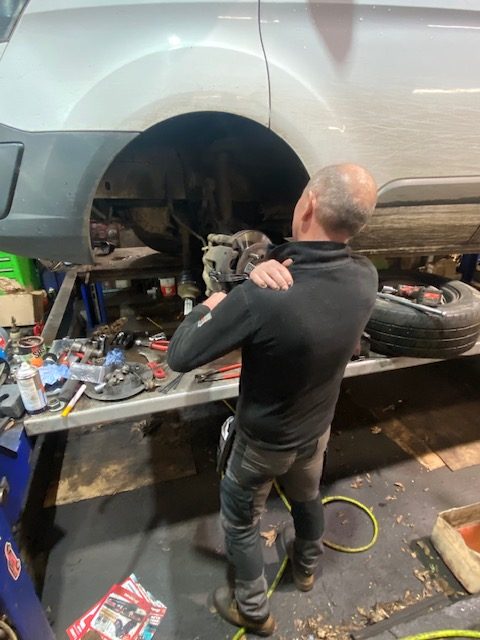
Self-care is simply looking after your body and mind so they keep working properly. It’s the same principle as maintaining a car, tools, or equipment—small, regular inputs prevent bigger problems later.
In real terms, that might mean:
- Managing tight muscles before they turn into chronic pain
- Reducing stress before it affects sleep, mood, or performance
- Giving your body time and tools to recover properly
- Not waiting until something breaks before you act
This is the foundation of what I see every day in my massage practice.
Why Men Avoid It
Most men don’t avoid self-care because they don’t care, they avoid it because of how it’s been framed.
- “Just push through” – pain and tension, stress and fatigue become normalised
- Fear of weakness – needing help, admitting you’re struggling feels like failure
- No clear starting point – where do you even begin?
- Busy lives – work, training, and family always come first
The result? Problems are ignored but don’t disappear until they’re too big to ignore. Long term tension, chronic pain and burnout, poor sleep, irritability, reduced focus all build quietly over time.
What I See in the Treatment Room
In my massage business, a lot of men come in after the damage is done:
- Long-standing back, neck, or shoulder pain
- Training injuries that were “manageable” until they weren’t
- Stress held in the body/mind with no outlet
Almost all of them say the same thing:
“I should’ve dealt with this sooner.” “I wouldn’t have come if my partner hadn’t have booked”. “I didn’t realise how fatigued I was until I’ve lay on the couch”. “I didn’t realise the extent of my silent pressue”.
Massage works best as part of a maintenance routine, not just a rescue plan.
Breaking the Stigma: Maintenance Is Strength. Preventative care is far more effective than damage control.
Looking after your body isn’t a weakness, it’s responsibility and smart.
Self-care doesn’t mean long baths and candles. It means:
• Knowing your body
• Addressing issues early
• Taking recovery as seriously as effort
Strong men don’t ignore warning signs. They deal with them.
Introducing the Mantenance Self-Care Kit
One of the biggest barriers I see is not knowing where to start. That’s exactly why I created the Mantenance Self-Care Kit.
This kit is designed as a starter kit for men, simple, effective, and practical. No fluff. No guesswork.
It’s built to:
Support your body and mind
- Help manage muscle tightness and recovery at home
- Encourage consistency without overthinking
- Make self-care feel like maintenance, not indulgence
Think of it as the basics:- what you need to keep things running smoothly. Just as you wouldn’t expect a car to run forever without servicing , you can’t expect your body and mind to keep going without attention.
How Massage and the kit work together
Massage helps:
- Release deep tension
- Improve movement and recovery
- Reset the body under professional care
The Maintenance Self-Care Kit helps you:
- Stay on top of tight areas
- Take ownership of your mind
- Take ownership of your recovery
Together, they create a sustainable approach for longevity, not just short-term relief.
Final Thoughts
Self-care for men doesn’t need a rebrand, it needs a reframe.
This isn’t about changing who you are.
It’s about staying capable, pain-free, stronger, calmer and functional for the long run and being more present in every area of life.
Maintenance is not optional.
And looking after yourself is part of the job.
If you’re ready to start, the Mantenance Self-Care Kit is exactly that, a starting point.
Katie Evans
Move Well Soft Tissue Therapy